Sounding 005 — Industrial Mystic
Two obscure records, heard the same week — one by a fallen pioneer, one by a duo almost no one has heard — and what they turn out to share.
Both are transmissions from the far edge of things — warmth smuggled inside cold machine music, sentiment carried through circuitry — and both, in their way, arrived too early to be heard.
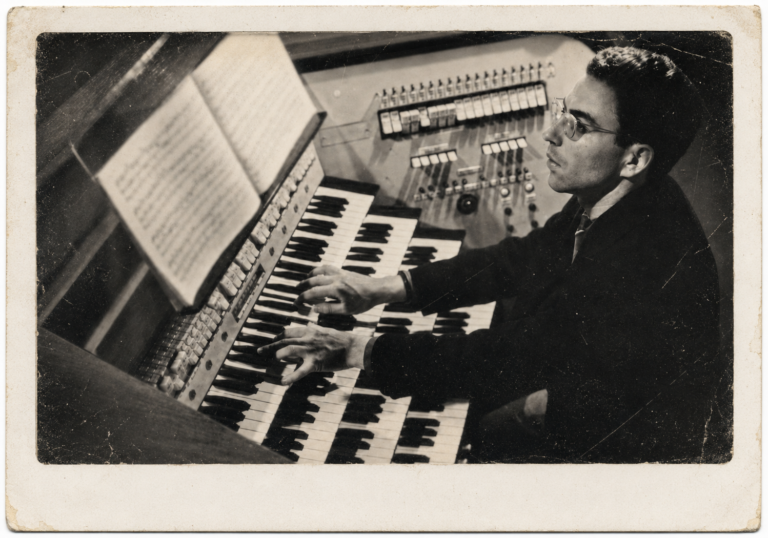
Chrome is one of my great inspirations: a dead-earnest San Francisco band that all but dreamed industrial music into being before it had a name. Their late leader, Damon Edge — born Thomas Wisse — made a handful of solo records after them, and The Surreal Rock (1987) is the one I keep: a smaller, more intimate, more song-shaped distillation of Chrome. Three songs undo me — The Sight to Sea, I Found Us a Home, I’m Not a Loner — and their titles are the whole method: nothing to decode, just a man saying the plainest true thing, so plainly the sentiment has nowhere to hide. He once described the band’s songs as the soundtrack to a dream you had once and forgot, dug back out of yourself. I have come to think of his work as more sentimental than almost anything that sets out to be — not despite the plainness but because of it. Conventional sentimentality dresses itself up; his has taken everything off. There is no ornament to hide behind, no clever line to admire instead of feeling, only a man telling you the truth, and the truth going straight to the heart.
Titania Moon I found the other way, on YouTube — that last open door where you can still post almost anything before some self-identifying, blocking machine raises an eyebrow. Slipstream is a tape out of the analogue cassette underground, from Mick Magic’s Music & Elsewhere — one of those home-dubbed labels whose records travelled by post between strangers, copied by hand, made for trading rather than selling, and never quite meant to be found. The name alone holds the mood: Titania is Shakespeare’s fairy queen, and also the far, frozen moon that carries her name — enchantment and cold distance in a single word. The music matches it — retro-electronica, the sequencers pulsing beneath a cold surface, gloomier than it first sounds and turned inward. It sounds, now, oddly familiar, as though the world arrived at this exact music years later without ever knowing the tape was already here. A slipstream in the truest sense: a drift in the wake of something faster and louder. It belongs to some late-night, X-Files hour.
That is the thread, in the end. Edge too came before the wave, and was recognised only once it had passed. Both are early and unheard — warmth kept alive inside cold machines, a dream someone dug out and left behind for whoever finds it late.