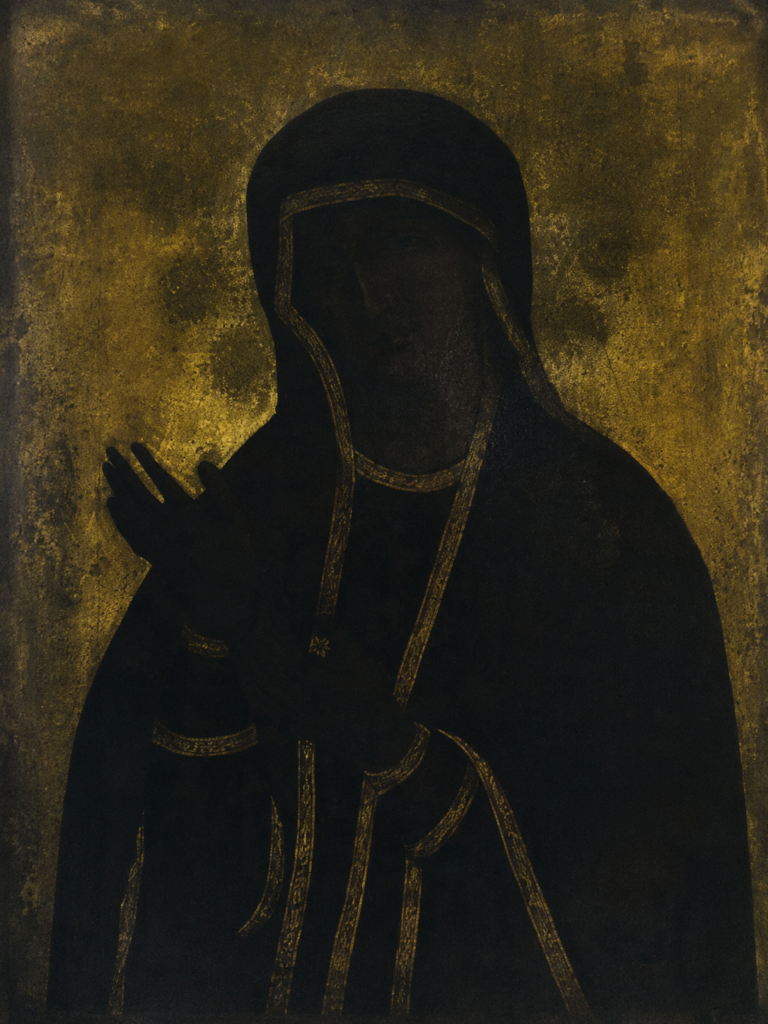
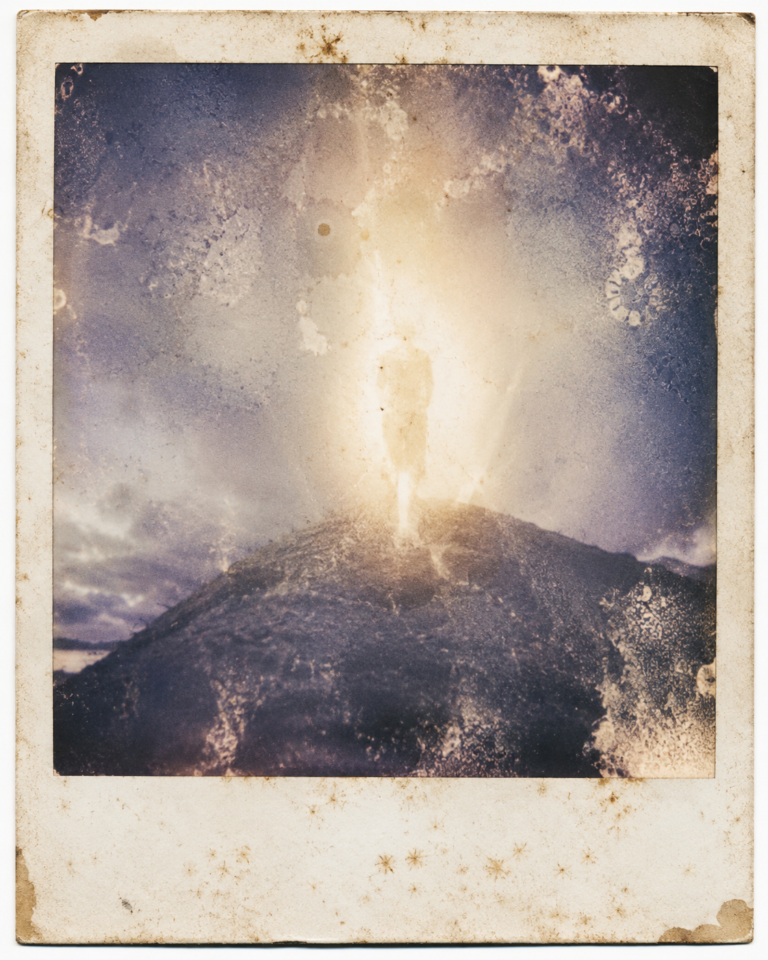
Sounding 007 — Leere
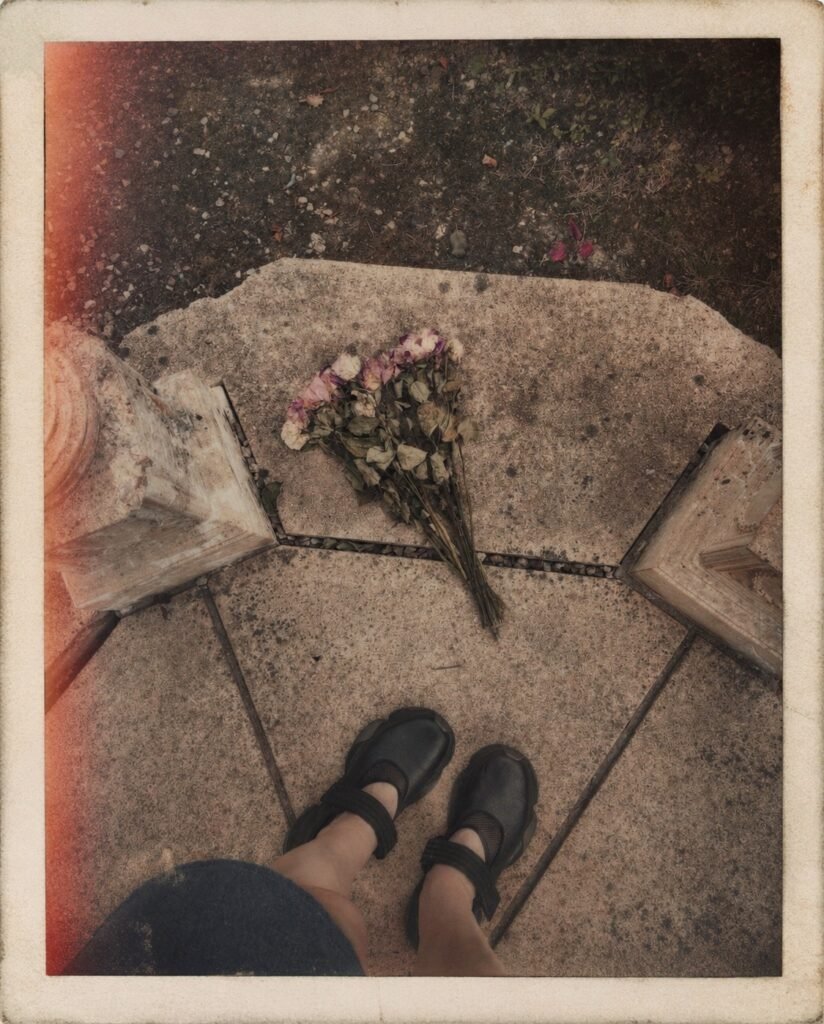
Not one album this time but a whole body of work — the artist I return to most in this corner of music, and the single thread that runs through all of it.
This time I don’t want to write about one record but about all of them, because with Glaring the discography is the work. Glaring is Anna Nin, a Hamburg-based artist making coldwave under this name since 2018 — before that, as NONE — and releasing at a pace that should not be possible. By 2021 she was already on her eighth album; much of the early work was self-released, with small-label editions and reissues following, including a lathe-cut edition of Selected Works 2017–2019. Several records a year, still. She is, simply, my favourite living artist in this music.
The materials can seem almost austere: a guitar disappearing into reverb, a drum machine pulsing like a slow heart, minimal synth lines, and a voice somewhere between presence and atmosphere. Yet inside this narrow vocabulary there is an enormous amount of space. One record can feel desolate and another strangely tender; one narcotic and suspended, another severe, propulsive, almost physical. The equipment changes, sometimes another musician enters, the proportions shift — but the world remains recognisable. It is not that every record arrives at the same place. It is that they all seem to have come from the same place.
And the deepest constant is the voice. On so many of these songs you cannot tell what she is singing, or even what language it is — the words dissolve into wind and echo, all breath and reverb, beautiful and unplaceable. Eventually the distinction between voice and instrument seems beside the point. Her voice becomes material: something that can be blurred, buried, stretched across a song until meaning almost disappears.
And strangely, this is where the person becomes most recognisable. What you come to know is not what she says but the grain of the voice itself, the texture of one particular person. Language recedes and identity remains. You could hear a few seconds without knowing the year, the record, perhaps even the project, and still know whose world you had entered. The signature lives in the sound, not the sense.
Within that constancy there is everything, and my own map of her keeps circling the same handful. Mantras, made with Karl Kave, from beginning to end — incantatory and strangely intimate, unmistakably part of this world while opening another room inside it. Then a cluster of German nocturnes I have assembled for myself: Leere, Ende, Nachtexpress — emptiness, ending, a night train. Three titles that could almost describe the landscape of the music itself.
Then Paralyzed, and older loves scattered across other years and records — Carpe Noctem, Burn The Snow, Milky’s Way Out. They do not sound identical. That is precisely what interests me. Across all these recordings, something survives changes in equipment, tempo, density, language and collaboration without needing to announce itself. She spills out under other names, too — CVSY, collaborations I have yet to follow all the way down — and the boundary of the work becomes difficult to locate.
Perhaps that is why choosing one Glaring album for Soundings felt wrong. The individual records matter, but what has kept me returning is the accumulation: hearing one private musical language tested again and again without exhausting itself. A remarkably small set of materials has become a place large enough to wander through for years.