Sounding 003 — Bloodstream Sermon
The third Sounding leaves single works and mixes behind for a whole record, and for the thing underneath all of them: duration, and what it asks of the listener.
For a while now I’ve been experimenting on myself with sound, sometimes for months — sitting inside those long, high-frequency recordings that drift around everywhere now, often seemingly machine-made, for eight hours at a stretch. I can’t say what they do to me, only that they do something. Storehouse of Zen Reflections is the same repetitive, ornamental patience, but far closer to my taste. Dhyana is a one-man dharma-doom project from Galliano, Louisiana, and the name is the premise: dhyāna is the Sanskrit for meditation — the word that became chan, then zen. It uses doom the way a bare wall is used: drone and repetition as a way of going under.
What I want from sound is a test of patience, and this record obliges twice over. There is sound that penetrates too deeply, where the first instinct is to run and hide — and then, if you stay, it rewards you for not running. And there is sound that lasts forever, where you lose yourself and go on being lost until, somewhere inside it, you find the way. Both are the oldest instruction in the tradition it draws on — three tracks are named for the sermons of Bodhidharma, the wall-gazer said to have sat nine years facing stone. Sit still; let the discomfort come and pass. Getting lost and finding the way is not an obstacle on the path; it is the path.
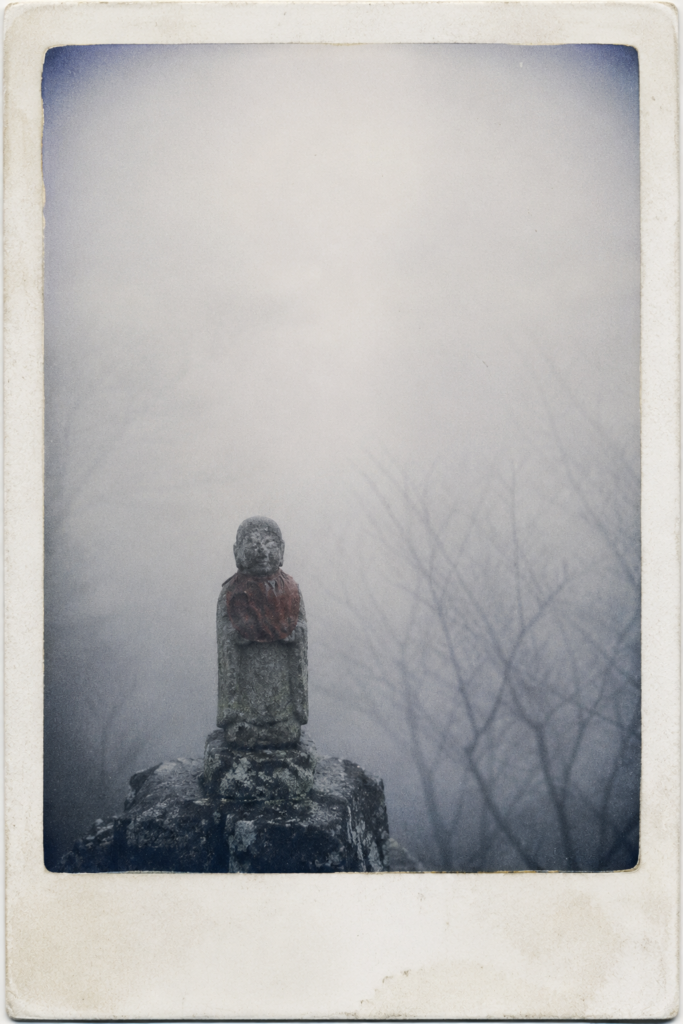
The album knows what it is doing beneath the drone. Its centre is Bodhidharma’s Bloodstream Sermon — a title that could have come from my own work, the blood and the sermon fused, severity as devotion. Then Jizo, for the bodhisattva who guards the dead and guides lost souls, and a closing run named for the poets of impermanence: Basho, Ikkyu, Buson, Issa, Shiki. Doom is the slowest, heaviest music there is; haiku the briefest form there is; the record renders those small poems of dew and vanishing as vast, glacial sound.
That is what it gives back for your patience. It does not entertain you and it does not hurry; it asks you to stay past the point where you want to leave, and alters something while you do. I come out of it the way I come out of the long experiments — unsure how much time has passed, changed a little, quieter. The reward was never in the sound arriving. It was in staying until it let me go.